
Current Exhibition
Samella! Black as Lacquer and Iron
Member Preview: Saturday, August 15, 4-5 pm
Public Reception: Saturday, August 15, 5-8 p.m.
Art Walks: September 5, 5-8 pm, October 3, 5-8 pm, November 7, 5-8 pm
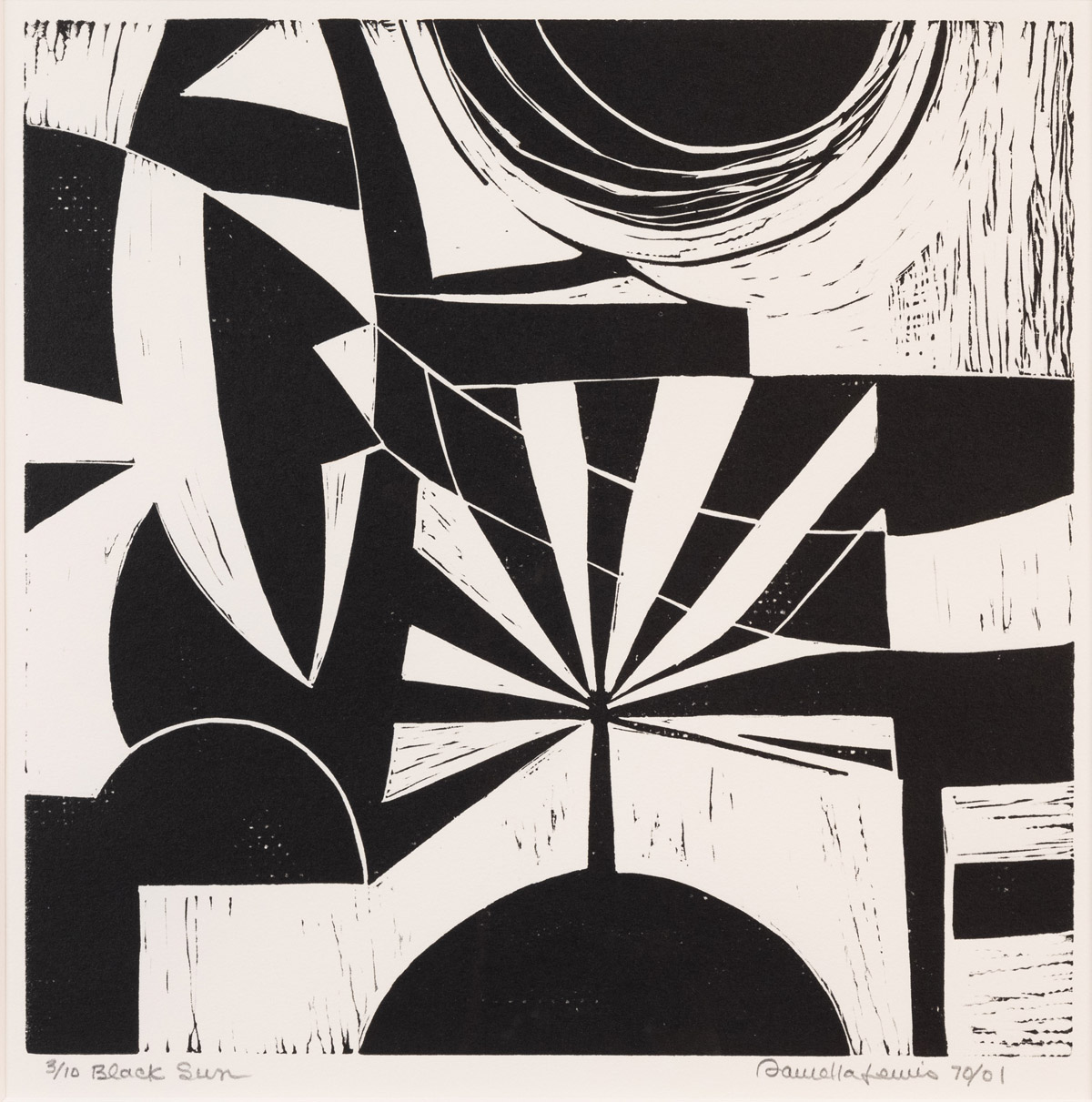
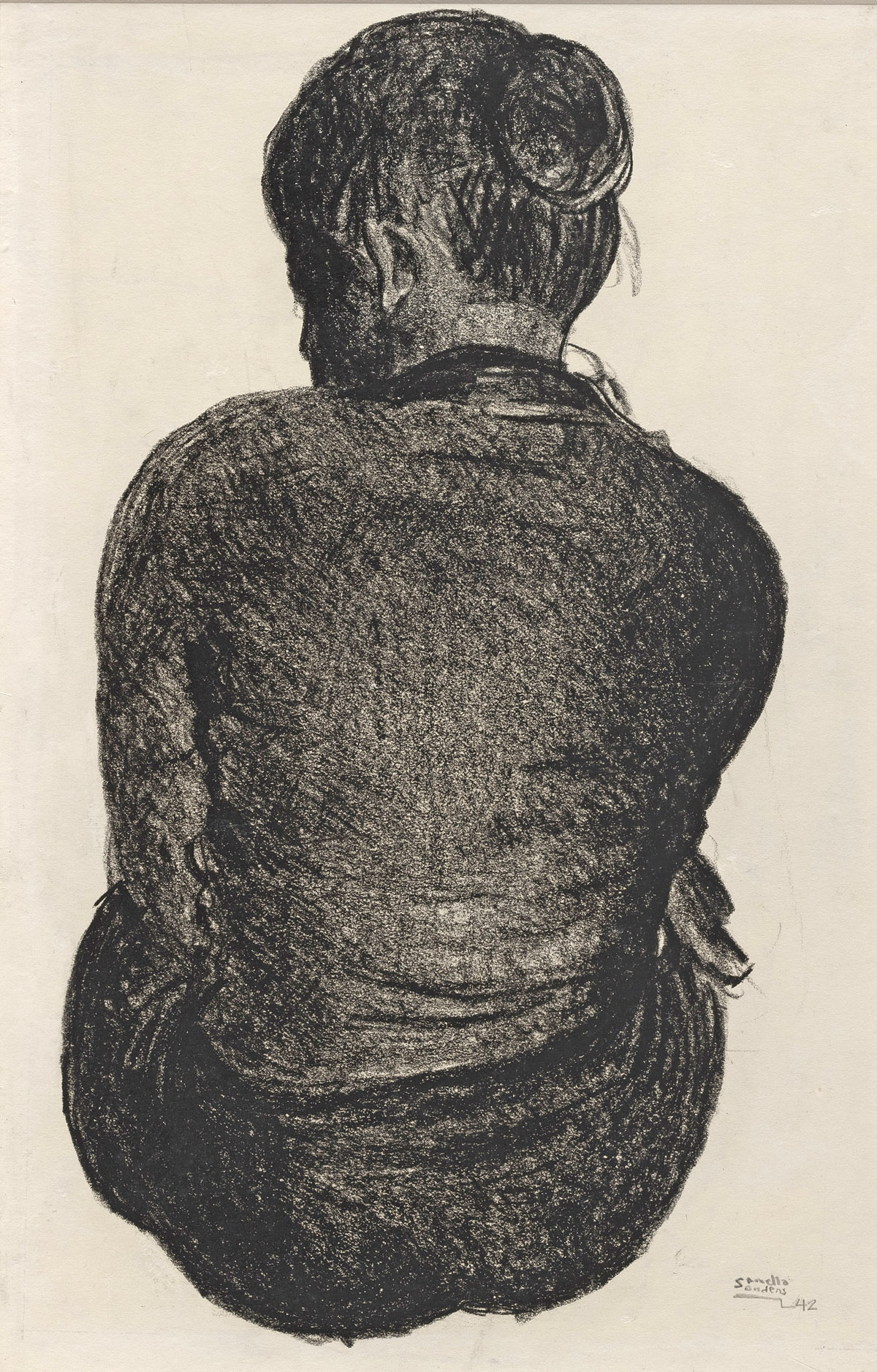
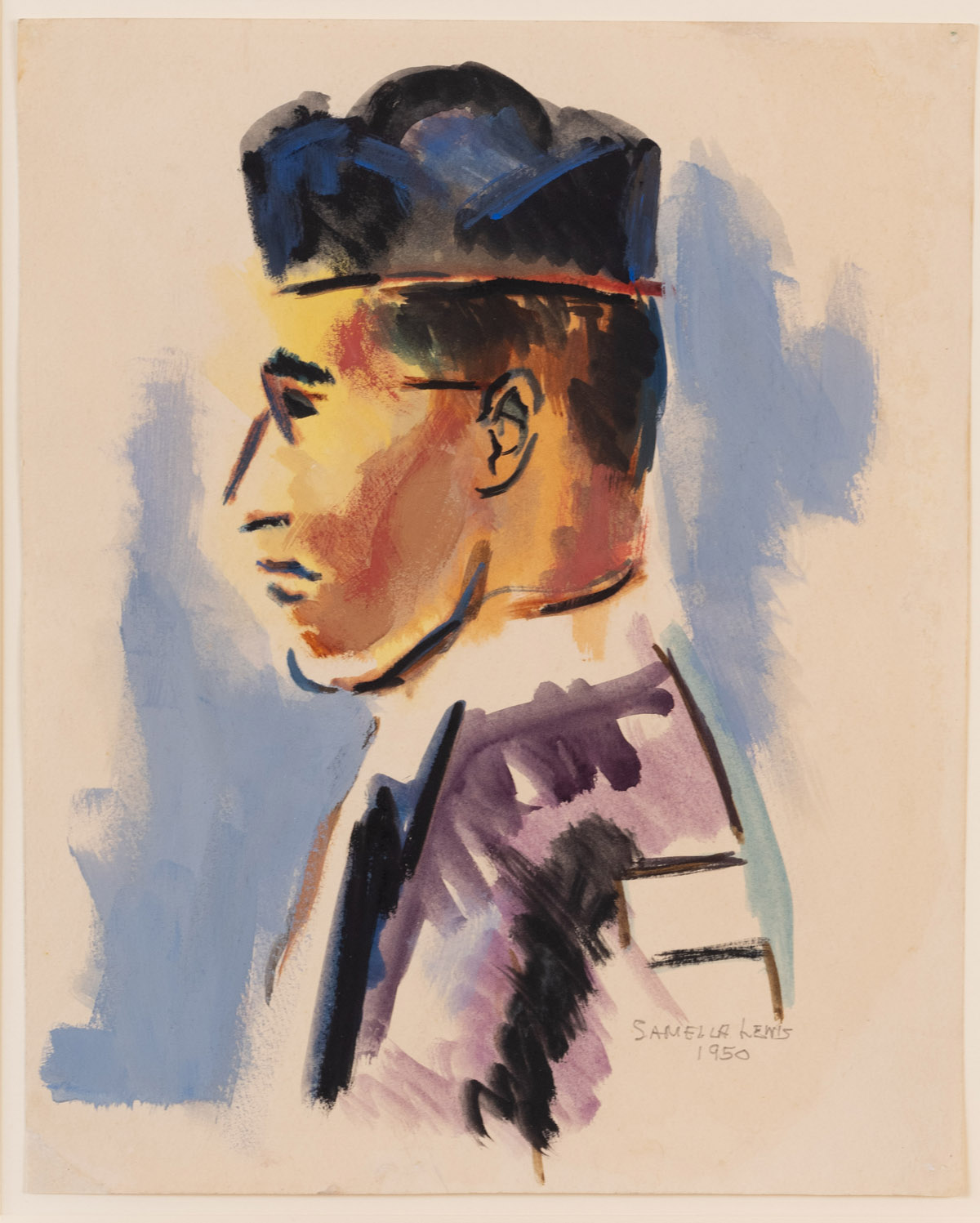
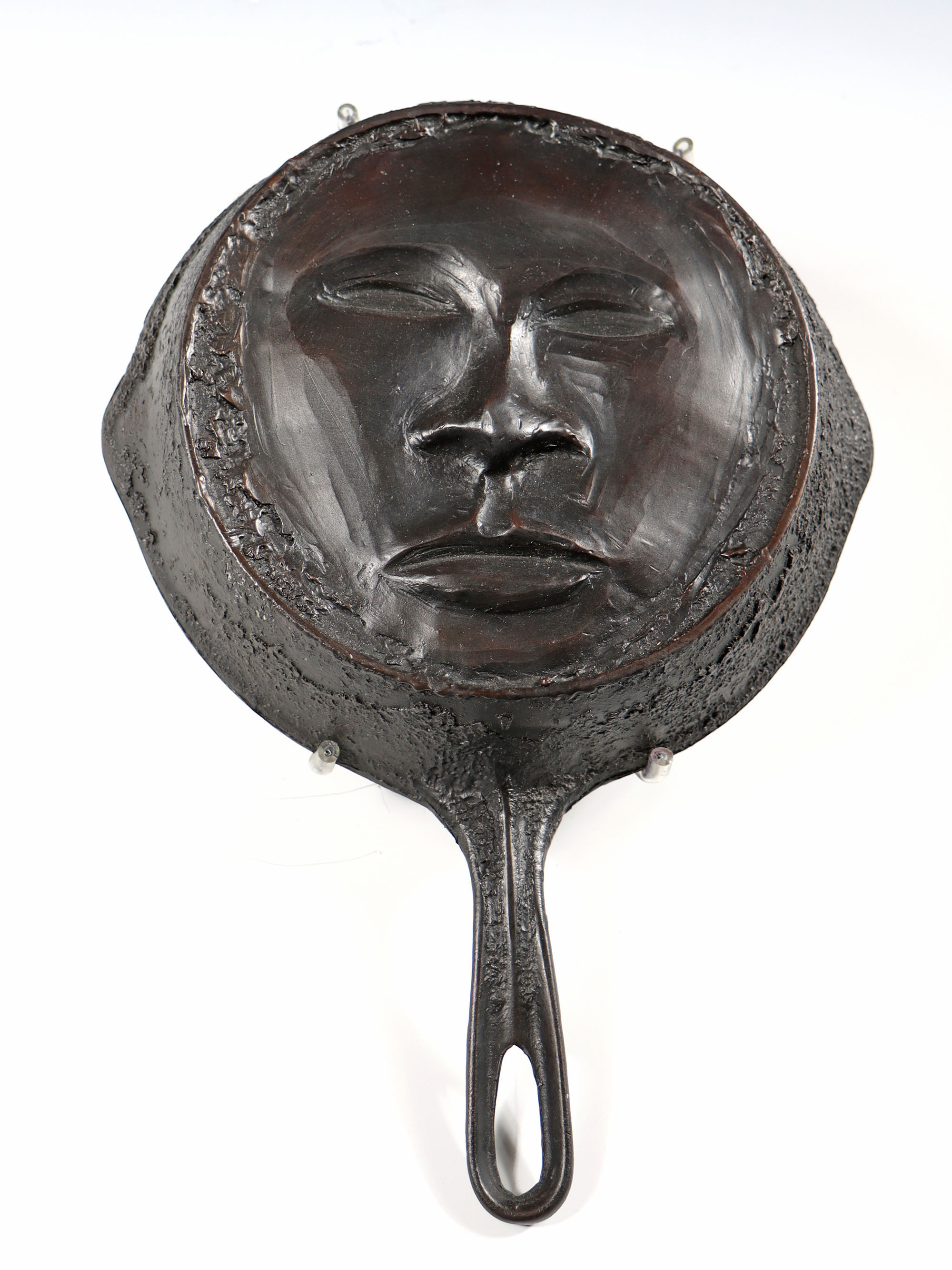
The Claremont Lewis Museum of Art exhibition Samella! Black as Lacquer and Iron illuminates the extraordinary life and profound influence of Dr. Samella Lewis as an art historian, educator, philanthropist, and artist. Curated by her Scripps student Francine Farr, the exhibition includes works by Claude Lewis, Harmon Outlaw, Alison Saar, Howard Smith and others, as well as drawings and prints by Samella Lewis.
A seminal figure in 20th-century American art, Samella Sanders Lewis (1923-2022) was a trailblazing art history professor at Scripps College and considered the first American woman polymath of African descent to receive a PhD in the history of art. Her life and global legacy celebrate and perpetuate the visual arts not only of African Americans and Africans but also of Asians, Asian Americans, Austronesians, and other indigenous peoples within and neighboring the Pacific Rim and Western Hemisphere.
Samella! Black as Lacquer and Iron is sponsored by Gould Asset Management LLC with additional support from Dana and Kirk Delman and Suzanne Muchnic. The exhibition will open with a reception on Saturday, August 15 from 5-8 p.m., and remain on view through November 15, 2026.
THE EXHIBITION
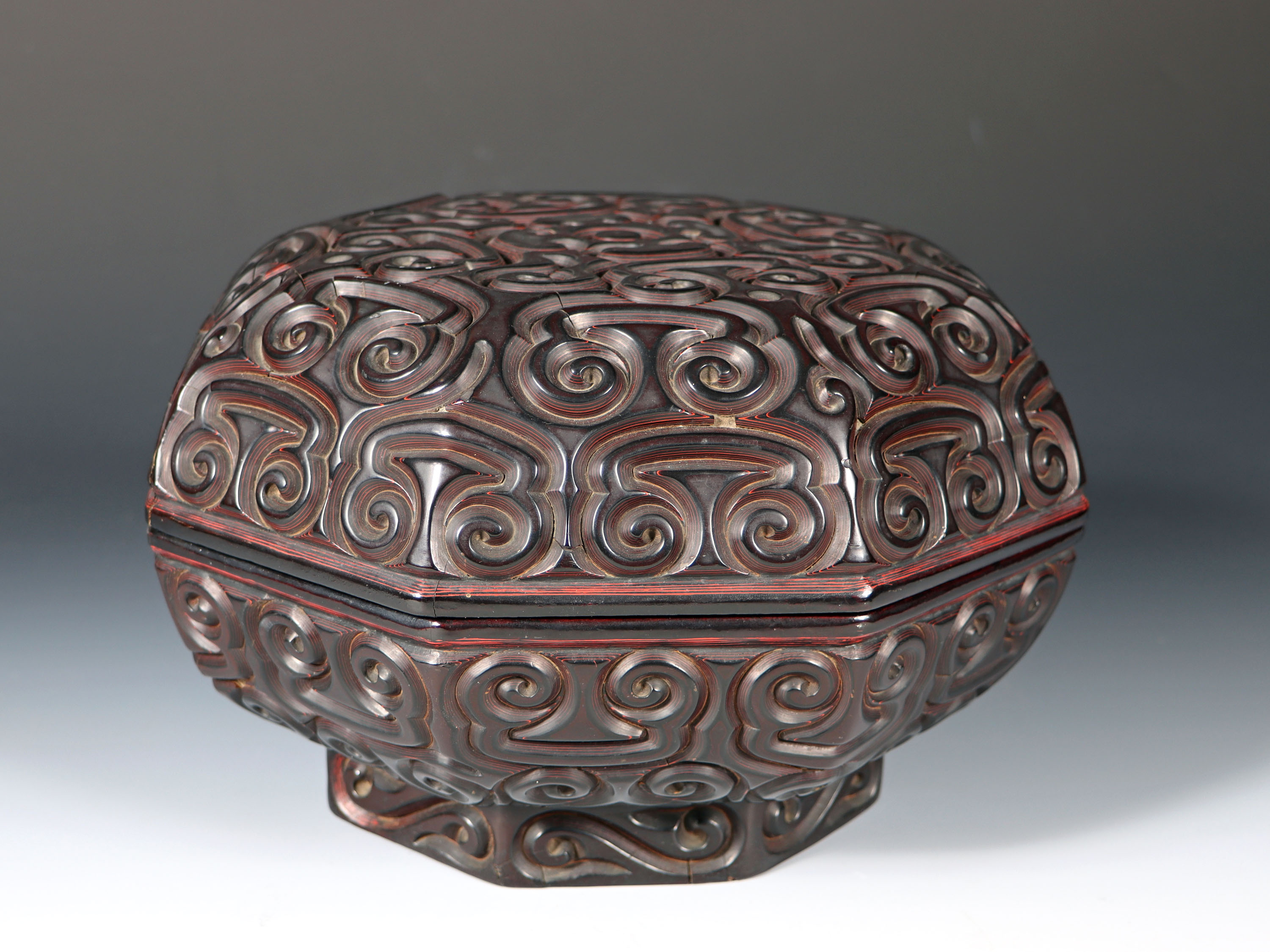
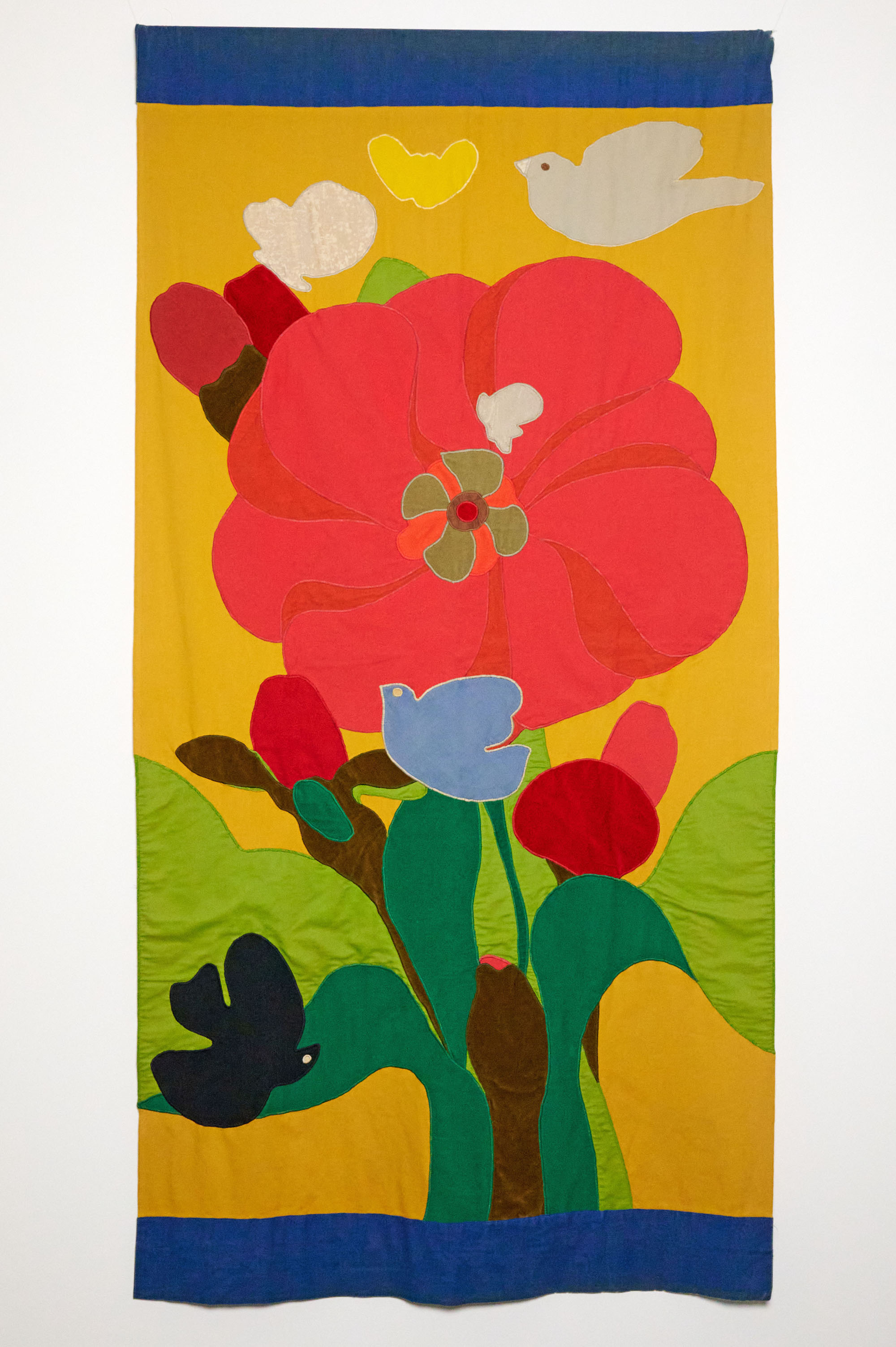
Samella! Black as Lacquer and Iron presents “interrelationships” which Dr. Lewis spoke of and taught by juxtaposing Asian, African, and indigenous art alongside Lewis’ early drawings and prints, in addition to contemporary artworks by and from her students, protégés, colleagues, friends, admirers, gallerists, and founded organizations. The exhibition will include works by Scripps alumna Alison Saar, African American-Finnish artist Howard Smith (1928-2021), Scripps’ ceramics professor Richard Petterson (1910-1996), photographers Louis Stern, Claude Lewis, and Harmon Outlaw, filmmaker Alile Sharon Larkin, and African American Quilters of Los Angeles portrait quiltmaker Alita Aldridge.
The exhibition is an elegy to Dr. Lewis and her leadership style of quiet action, openness, humility, compassion, collaboration, transdisciplinarity, and interpretation of sentience in the past and present arts of China, Japan, Buddhism, Pacific Islanders, the Caribbean, Africa, and Europe. This is a heartfelt homage to Dr. Lewis as a Scripps College art history professor and an acknowledgment of her living legacy as mentor, publisher, author, activist, innovator, organizer, gallerist, museologist, cultural ambassador, Fulbright fellow to Taiwan, wife, mother, and enlightened person.
Curator Francine Farr studied with Dr. Lewis as an art history and studio art major at Scripps College. Under Lewis’ supervision, she wrote her thesis “African Affinities in African American Art” and attended the National Conference of Artists (NCA) congress in Chicago where she met legendary artist David Hammons. Like Lewis, especially in her Louisiana ancestry and intellectual propinquities, Farr is a multilingual Nichiren Shoshu Buddhist, an Asianist and Africanist museum specialist, art historian and educator.
Farr has worked at the Brooklyn Museum of Art, the Schomburg, Rijksmuseum voor Volkenkunde in Leiden, Parish Gallery, and other museums in the Boston and Washington DC areas, Europe and Haiti; taught at Georgetown University, Montgomery College, Maryland and Emmanuel College, Boston; published “African and Chinese Hoe, Spade, and Knife Monies Compared” and “Paper-Rock-Scissors and Ku-Ke-Chu” conference papers; helped conceive the documentary Ann Hobson Pilot: A Musical Journey, and translated Ancestral Art of Gabon by Louis Perrois from French into English.
FROM ARTIST TO ART HISTORIAN
Born and bred in New Orleans, Dr. Lewis met her most important mentor, lifelong friend and second mother, Elizabeth Catlett, at Dillard University. She followed in Catlett’s footsteps to graduate in studio art at Hampton University in Virginia, then went on to earn an MFA and PhD in the History of Art at Ohio State University. She saw from that point onward the necessity to ground her work in art history through affiliations at venerable institutions such as Morgan State, SUNY Plattsburgh, University of California Dominguez Hills and Long Beach, University of Southern California, Freer Gallery of Asian Art, LACMA, the Institute of International Education, and USIA.
Over time, Dr. Lewis sought out mentors such as anthropologist Melville Herskovits, Asianist art historian and museum director Sherman Lee, and avant-garde painter-polymath Robert Motherwell to best encourage and document the lives of artists, art historians, photographers, musicians, gallerists, colleagues, community members, and their children or protégés: most notably, Betye Saar, Jacob Lawrence, Richmond Barthé, Palmer Hayden, Gordon Parks, Noah Purifoy, Floyd Coleman, E.J. Montgomery, Stella Jones Gallery, and emerita deputy director of the Smithsonian National Museum of African American History and Culture, Kinshasha Holman Conwill, whose parents Dr. Lewis knew at Hampton.
Dr. Lewis, the art historian, wove together new and old media and narratives to speak truth to power in building community and addressing the struggle for equality for Blacks, Asians, diasporans, and indigenous peoples. A world leader of public education, cultural preservation, institution-building, and unassuming continuous artmaking, she became the first tenured African American professor at Scripps College in 1969 and retired in 1984.
Developing into a serious writer and filmmaker, Dr. Lewis co-authored with Ruth Waddy the first compendium Black Artists on Art (vols. 1-2, 1969, 1971), authored and revised her textbook African American Art and Artists (2003), founded the International Review of African American Art (1975), collaborated to produce biopics, and co-founded the Museum of African American Art, Los Angeles (1976) and the National Conference of Artists (1959), the oldest extant congress of African American artists.
More about Dr. Samella Lewis: samellalewis.com
GALLERY
Generously sponsored by

Dana and Kirk Delman and Suzanne Muchnic